

A holistic approach is a theme that has consistently run through the previous sections, it is integral to the arguments made for the changes in education, however it is worth focus here to expand further on the benefits, pedagogy and purpose of making education holistic. Fundamentally the pedagogy suggests that a holistic approach should be taken in three areas;
- A holistic view of the curriculum that is delivered for every learner
- A holistic approach to the educational experience of those involved, and
- A holistic approach to the individual and their needs within the process
It is important to remember that learners as individuals, as well as the system and pedagogy of education are holistic and in need of recognition. For people to thrive they require autonomy, mastery and purpose (Pink 2010), this requires a holistic view of the individual by those around them as well as by themselves, and also an understanding of holistic process in which they are involved.
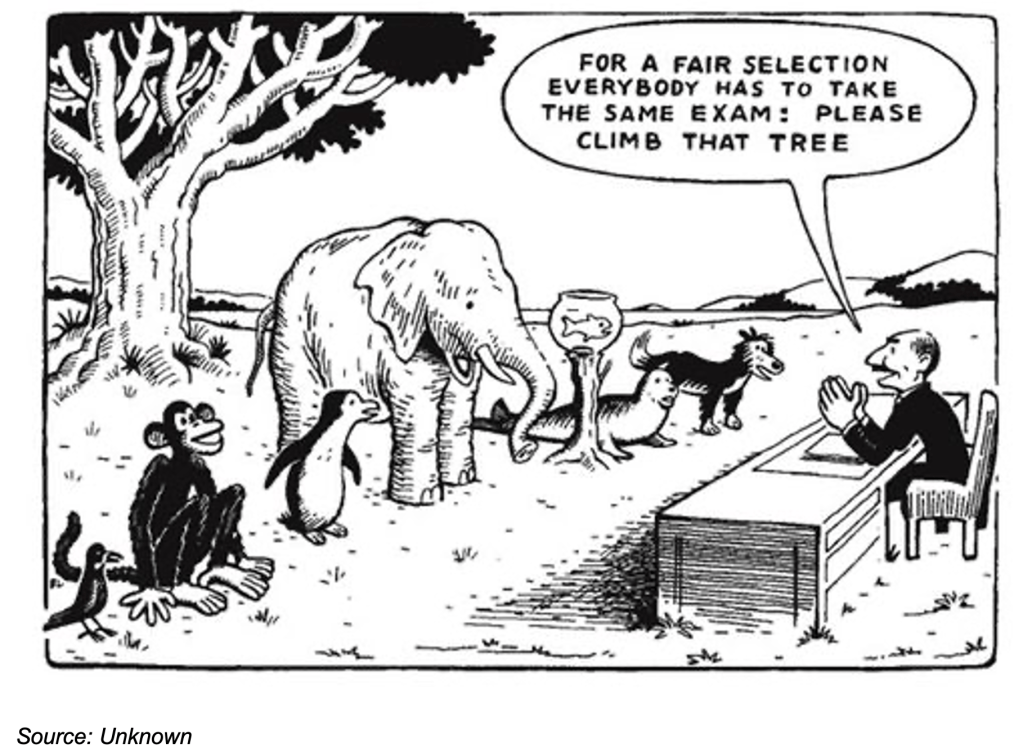
Fundamental to the foundational principles of education must be a view of the whole person, academic achievement to the detriment of all else is not sufficient, and to view other aspects of individuals the whole must be considered. For this to also remain within the previous remit of being learner led and experiential, the holistic element of education must be based on a journey of self-discovery where the learner is encouraged to develop a critically reflective view of their own progress and areas for development. As in all aspects of this view of education, teacher as facilitator and guide is of great importance in helping to provide support, guidance, and tools to help learners in this journey. In this way the educational roadmap for each learner becomes holistic in terms of the individual, the content, and the delivery.
Another key aspect of a holistic approach is to emphasise the spiritual, ethical, philosophical, and artistic elements of learning; these are all too frequently marginalised in the current system to the lasting damage of learners. It is within these elements of education that tools for mental wellbeing are frequently discovered by learners and the current epidemic of mental ill health cannot be ignored as a key aspect of future education. As Rajini (2017) says ‘It requires the addition of spiritual intelligence to make the change from self-consciousness to the consciousness of the self’. One of the main purposes of educating people at all is to help them understand who they are, both personally and within the context of the culture and society in which they live; by failing to engage learners with every aspect of themselves we leave much of their learning to chance, this can be both damaging and dangerous to the learners themselves and to those around them. The failure runs deep, in terms of lost potential for individuals and society; how many people fail to find their calling? How much does society pay for in lost potential and social repair?
Source: Unknown
The long view of education as part of lifelong learning brings into focus and contributes to a larger holistic need in society. This view of a learner being lifelong is the last key element of the holistic approach; the aim is not to educate for a specified period, but to empower learners to educate themselves for their whole lives. This long view of learning is the last and most important step in a holistic approach. If this can be achieved, then where a learner reaches in their journey of self and social discovery, their exploration of understanding and their contextualisation of knowledge, does not need to be fixed in time by a result or a metric because it is the beginning of the rest of their learning journey. If one truly embodies a lifelong learning approach, then there exists no point of failure and no metric of improvement beyond that of personal development and growth.
References:
Pink, D. (2010) The suprising truth about Motivation. RSAnimate series. Youtube. https://www.youtube.com/watch?v=u6XAPnuFjJc
Rajini, A. (2017) Towards a Holistic Model of Management Education. IUP Journal of Soft Skills. 11 (4), p55-64.
 Shevek Pring